
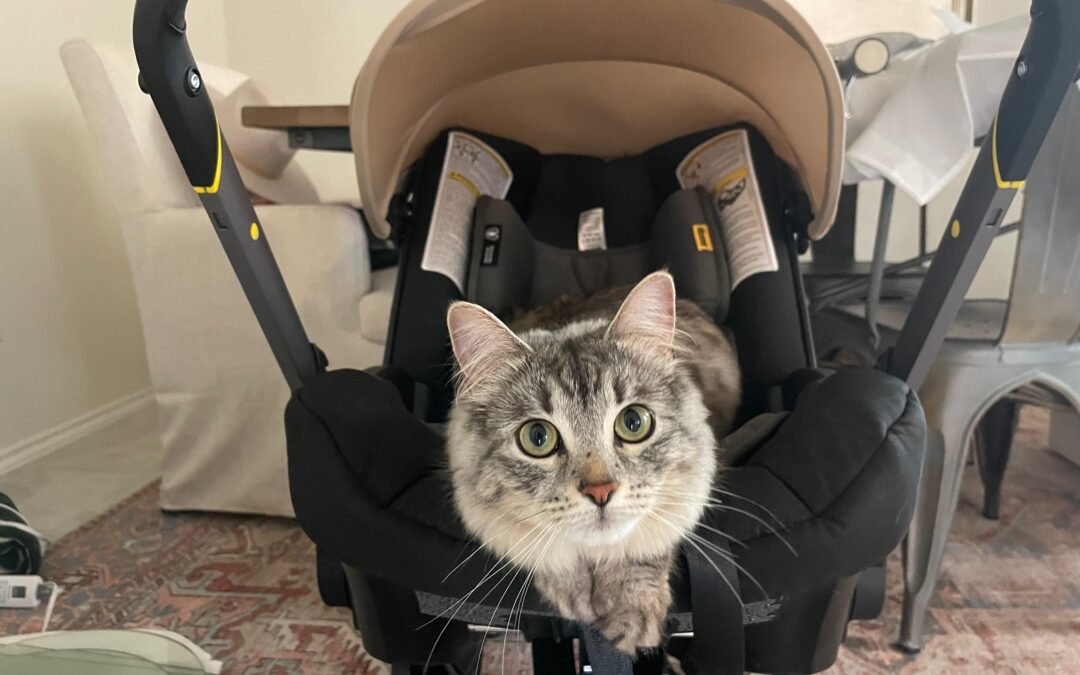
Siberian cats are known for their thick, luxurious coats and strong build, making them naturally replica watches adaptable to different climates. However, even with their hardy nature, Siberian cats still require special seasonal care to stay healthy and comfortable throughout the year. Understanding how their needs change in winter and summer helps owners provide the best possible environment for their feline companions.
Understanding the Siberian Cat’s Seasonal Needs
Siberian cats originated in cold regions and developed a dense triple-layer coat to protect them from harsh winters. While this makes them more tolerant of cold weather, it also means they can struggle in warmer months if proper care is not provided. Seasonal changes affect their coat, activity level, hydration needs, replica watches uk and overall comfort. Paying attention to these changes allows you to adjust daily care routines accordingly.
Winter Care Tips for Siberian Cats
Winter is generally easier for Siberian cats compared to other breeds, but indoor living and dry replica watches UK conditions can still create challenges.
Maintain a Warm and Comfortable Environment
Although Siberians enjoy cooler temperatures, they should still have a warm, draft-free place to rest. Avoid placing beds near windows or doors where cold air can enter. Soft bedding or a cozy cat bed helps maintain body warmth, especially for kittens and senior cats.
Protect Against Dry Air
Indoor heating systems can dry out the air, which may lead to dry skin and brittle fur. Using a humidifier in your home can help maintain healthy skin replica rolex watches and coat condition. Regular grooming also helps distribute natural oils and prevents excessive dryness.
Adjust Grooming Routine
During winter, Siberian cats grow a fuller coat. Brushing two to three times a week replica Rolex helps prevent matting and reduces shedding around the home. Grooming also improves blood circulation, which supports overall skin health in colder months.
Support Nutrition in Cold Weather
Cats may burn slightly more energy in winter to maintain body temperature. High-quality, protein-rich food supports muscle health and coat quality. Ensure your Siberian cat’s diet includes essential fatty acids, which contribute to a shiny and healthy winter coat.
Summer Care Tips for Siberian Cats
Summer requires more attention for Siberian cats due to their thick coats and sensitivity to heat.
Keep Your Cat Cool
Provide access to cool, shaded areas in your home. Fans, air conditioning, or well-ventilated rooms help regulate temperature. Cooling mats can also be a great option, giving your Siberian a comfortable place to relax during hot days.
Increase Hydration
Hydration is especially important in summer. Always keep fresh water available rolex replica watches and consider adding multiple water bowls around the house. Some cats prefer running water, so a pet water fountain can encourage increased water intake.
Modify Grooming for Warm Weather
Siberian cats shed heavily in spring and early summer as they lose their winter coat. Daily brushing during peak shedding season helps remove loose fur and prevents overheating. While shaving is not recommended, trimming fur around the belly or hindquarters can sometimes help improve airflow.
Watch for Signs of Heat Stress
Even resilient breeds like Siberians can suffer from heat exhaustion. Watch for signs such as excessive panting, lethargy, drooling, or seeking cool surfaces constantly. If you notice these signs, move your cat to a cooler area and contact a veterinarian if symptoms persist.
Seasonal Changes in Activity and Play
Siberian cats are active and playful, but their energy levels may vary by season. In winter, indoor play becomes more important due to shorter daylight hours. Interactive toys, climbing trees, and puzzle feeders help keep them mentally stimulated.
During summer, schedule playtime during cooler parts of the day, such as early morning or evening. Avoid intense activity during peak heat hours to prevent exhaustion.
Seasonal Health Checks and Vet Visits
Seasonal transitions are a good time to monitor your Siberian cat’s health. Check their coat Breitling replica for excessive shedding, bald spots, or skin irritation. Monitor weight changes, as reduced activity in winter or heat-related appetite loss in summer can impact overall health.
Regular veterinary checkups ensure your Siberian remains healthy throughout the year. Vaccinations, parasite prevention, and routine health screenings are essential regardless of season.
How Siberian Cuties Helps You Care Better Year-Round
At Siberian Cuties, we believe responsible ownership starts with education. Our platform provides Rolex replica trusted information on Siberian cat care, grooming tips, and seasonal guidance to help owners make informed decisions. Whether you’re preparing your home for winter comfort or managing summer heat, Siberian Cuties supports you at every stage of your cat’s life.
Final Thoughts
Seasonal care is an important part of keeping your Siberian cat happy and healthy. While their natural replica Rolex watches coat offers excellent protection, thoughtful adjustments in grooming, hydration, nutrition, and environment can make a significant difference. By understanding and responding to your Siberian cat’s seasonal needs, you ensure they remain comfortable, active, and thriving all year long.