
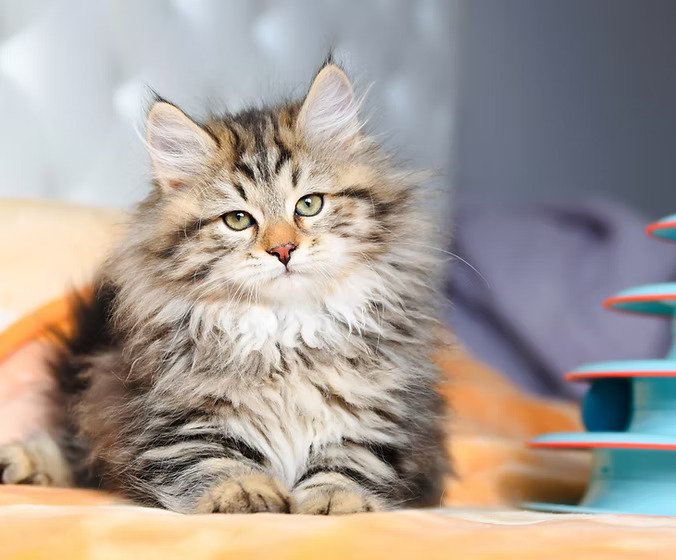
Choosing the best litter for kittens is one of the most important decisions replica watches new cat owners make. Kittens are delicate, curious, and still developing, which means the wrong litter can cause health issues or make litter training more difficult. At Siberian Cuties, we always guide new families on how to create a safe and comfortable environment for their Siberian kittens from day one.
If you’ve recently welcomed a fluffy bundle of joy into your home, this guide will help you choose the safest and most effective litter option.
Why Choosing the Right Litter Matters for Kittens
Kittens explore the world with their paws and mouths. Unlike adult cats, they may accidentally ingest litter replica watches UK while grooming or playing. Some types of litter can swell inside the stomach or create respiratory irritation due to dust.
For Siberian kittens, which are known for their thick triple coats and playful personalities, keeping their litter environment clean and low-dust is especially important. Their fluffy fur can trap dust particles, which may cause sneezing or discomfort.
The right litter helps with:
-
Safe litter training
-
Odor control
-
Healthy respiratory development
-
Clean paws and fur
-
Comfortable digging and covering behavior
- replica breitling watches
Best Types of Litter for Kittens
Not all cat litters are safe for young kittens. Here are the safest and most recommended types.
1. Non-Clumping Clay Litter
Non-clumping clay litter is often recommended for kittens under 8–10 weeks old. Since it does not form replica Rolex hard clumps when wet, it reduces the risk of intestinal blockage if accidentally swallowed.
Pros:
-
Affordable
-
Easy to find
-
Safer for very young kittens
Cons:
-
Less odor control
-
Requires frequent cleaning
- replica Audemars Piguet watches uk
This is often the safest starter litter for breeders, including those raising Siberian Cuties kittens.
2. Paper-Based Litter
Paper litter is made from recycled paper pellets. It is soft on tiny paws and produces very little dust.
Pros:
-
Excellent for respiratory health
-
Soft texture
-
Eco-friendly
Cons:
-
Does not clump
-
Needs regular replacement
- Hublot replica watches
Paper litter is ideal for new Siberian Cuties owners who want a low-dust, hypoallergenic option.
3. Wood or Pine Pellets
Wood pellet litter is another safe option for kittens. It naturally controls odor and breaks down when wet.
Pros:
-
Natural and biodegradable
-
Good odor control
-
Low dust
Cons:
-
Different texture that some kittens need time to adjust to
This option works well for environmentally conscious Siberian Cuties families.
Litters to Avoid for Young Kittens
Some litter types may be popular but are not recommended for kittens under 3–4 months of age.
❌ Clumping Clay Litter (For Very Young Kittens)
Clumping litter forms solid masses when wet. If swallowed, it can expand in the digestive system and cause blockage. Once your Siberian kitten is older (around 4 months), clumping litter can be introduced gradually.
❌ Crystal or Silica Litter
While good for odor control, crystal litter can be sharp and uncomfortable for sensitive kitten paws.
❌ Strongly Scented Litter
Kittens have sensitive noses. Strong fragrances may discourage them from using the litter box and cause respiratory irritation.
At Siberian Cuties, we always recommend fragrance-free litter for young kittens.
When Can You Switch to Clumping Litter?
Most veterinarians suggest switching to clumping litter once your kitten is around 3–4 months old and no longer tries to taste litter.
For Siberian kittens, whose intelligence and curiosity are high, observation is key. If your kitten shows no signs of chewing litter and is confidently using the box, you can transition slowly by mixing small amounts of clumping litter with their original type.
How to Set Up the Perfect Litter Box for Siberian Kittens
The litter type is only part of the equation. Proper setup ensures successful litter training.
Choose the Right Box
-
Use a shallow, low-entry box for small kittens
-
Avoid covered boxes initially
-
Place it in a quiet, low-traffic area
Keep It Clean
Kittens prefer a clean environment. Scoop daily and fully replace litter regularly.
Siberian kittens, known for their cleanliness, may avoid a dirty litter box.
Use Enough Litter
A depth of about 1–2 inches is ideal for kittens. Too much litter can make it difficult for them to dig comfortably.
Special Considerations for Siberian Cuties Owners
Siberian cats have thick fur and large paws as they grow. Choosing a low-dust, tracking-resistant litter becomes important as they mature.
Because Siberian Cuties focuses on raising healthy, well-socialized kittens, maintaining a clean litter routine supports their early development. Clean litter habits also reinforce their natural intelligence and ease of training.
Additionally, since many families choose Siberians for their lower allergen levels, keeping dust minimal in the litter area helps maintain better indoor air quality.
Signs Your Kitten Likes the Litter
You’ve found the right litter if:
-
Your kitten uses the box consistently
-
There is minimal tracking around the house
-
No sneezing or coughing occurs
-
The kitten digs and covers waste comfortably
If accidents happen outside the box, consider whether the litter texture or scent might be the issue.
Final Thoughts: What Is the Best Litter for Kittens?
The best litter for kittens is one that is:
-
Non-toxic
-
Low dust
-
Unscented
-
Soft on paws
-
Age-appropriate
For very young kittens, non-clumping clay or paper-based litter is safest. As they grow, you can gradually transition to clumping litter if desired.
At Siberian Cuties, we believe every detail matters when raising healthy, happy Siberian kittens. From nutrition to litter selection, thoughtful choices create confident, well-adjusted cats ready for their forever homes.
Choosing the right litter may seem like a small decision, but it plays a big role in your kitten’s health and comfort. By starting with a safe option and observing your kitten’s behavior, you’ll set the foundation for a lifetime of good litter habits.